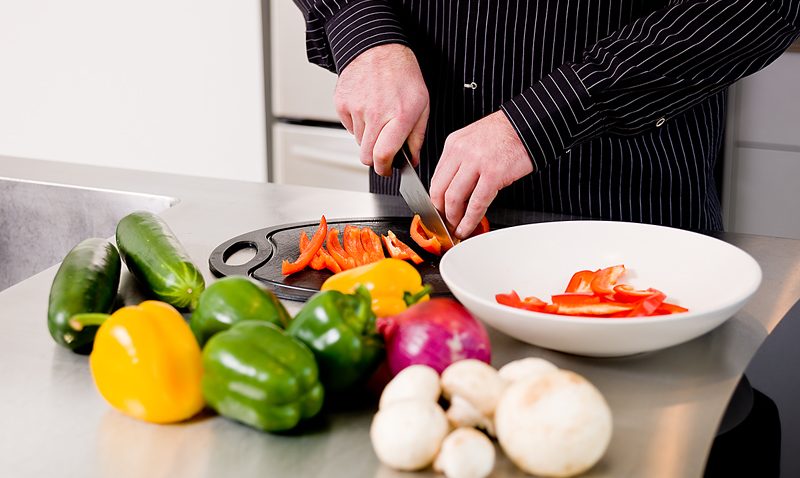
Cooking at home can sometimes feel overwhelming. Between complicated recipes, long grocery lists, and time-consuming preparation, many people end up ordering takeout instead. However, focusing on recipes with fewer ingredients can simplify cooking, reduce stress, save money, and even improve the flavor of meals. Using a small number of quality ingredients encourages creativity, teaches cooking fundamentals, and makes meal prep more manageable. In this guide, we’ll explore why cooking with few ingredients improves efficiency and how to apply this approach in everyday life.
Simplifying Meal Planning Saves Time
Meal planning is easier when you focus on fewer ingredients.
How Fewer Ingredients Help
-
Shorter grocery lists: Less time spent shopping and deciding what to buy.
-
Quick preparation: Fewer chopping, measuring, or washing tasks.
-
Simpler cooking steps: Less complicated recipes mean faster meal preparation.
-
Less stress: Clear, straightforward recipes reduce decision fatigue.
Example
Instead of a recipe with 15 ingredients, a simple pasta dish with just spaghetti, garlic, olive oil, and parmesan takes minutes to prepare while still tasting delicious.
Reducing Waste and Saving Money
Using fewer ingredients reduces the risk of unused or expired items.
Practical Benefits
-
Minimizes leftover waste: Less food spoiling in the fridge.
-
Budget-friendly: Buying fewer items lowers grocery bills.
-
Simplifies storage: Less clutter in cabinets and pantry.
-
Maximizes ingredient versatility: A handful of staple items can be used in multiple dishes.
Real-Life Tip
Keep a pantry stocked with versatile staples like olive oil, garlic, canned tomatoes, eggs, and whole grains. These ingredients can form the base of many meals without excess waste.
Encouraging Creativity in the Kitchen
Limiting ingredients doesn’t mean sacrificing flavor; it encourages creativity.
Ways to Be Creative
-
Mix flavors: Use herbs, spices, or condiments to enhance simple dishes.
-
Combine textures: Roast vegetables, sauté proteins, and add crunch with nuts or seeds.
-
Experiment with cooking methods: Boiling, steaming, roasting, or grilling can change the taste of the same ingredients.
-
Pair ingredients differently: A few staple items can create multiple meals by changing the combinations.
Example
A few eggs, tomatoes, and spinach can become an omelet, a frittata, or a simple stir-fry depending on cooking technique and seasoning.
Improving Focus on Quality Ingredients
Fewer ingredients mean more attention can be given to choosing quality items.
Benefits of High-Quality Ingredients
-
Better flavor naturally: Fresh vegetables, ripe fruits, and quality proteins reduce the need for heavy sauces or seasonings.
-
Nutrient-rich meals: High-quality ingredients often provide more vitamins, minerals, and antioxidants.
-
Simpler seasoning: Minimal ingredients allow natural flavors to shine.
Practical Tip
Prioritize freshness over quantity. For example, a perfectly ripe tomato, fresh basil, and quality olive oil make a simple salad taste exceptional without extra toppings.
Enhancing Cooking Skills
Cooking with fewer ingredients teaches essential techniques.
Skills You Can Improve
-
Basic knife skills: Fewer ingredients mean you focus on proper chopping and preparation.
-
Flavor balancing: Learning how to use herbs, spices, and cooking methods to enhance taste.
-
Timing and technique: Simpler recipes help you master cooking temperatures, searing, or roasting.
-
Ingredient substitution: Knowing how to swap ingredients builds flexibility and confidence.
Real-Life Example
A roasted chicken with just olive oil, garlic, salt, and pepper teaches seasoning and roasting techniques, which can be applied to more complex recipes later.
Faster Cleanup and Less Hassle
More ingredients usually mean more pots, pans, and dishes to clean.
Advantages
-
Fewer utensils needed: One or two pans can handle the entire meal.
-
Less time in the kitchen: Meal prep and cleanup take significantly less time.
-
Less mental clutter: A simpler kitchen setup reduces stress and makes cooking enjoyable.
Practical Tip
Use one-pan meals with minimal ingredients, like roasted vegetables with a protein, to save time on both cooking and cleaning.
Building Consistency in Cooking
Using fewer ingredients makes it easier to cook regularly.
How Simplicity Encourages Routine
-
Predictable shopping: You know exactly what you need each week.
-
Confidence in cooking: Easy recipes reduce the fear of failure.
-
Sustainable habits: Simple meals are easier to maintain long-term.
-
Encourages experimentation: Once comfortable, you can add complexity gradually.
Example
Cooking a simple stir-fry with rice, vegetables, and protein every week builds confidence and efficiency while allowing you to tweak spices or sauces over time.
Enhancing Nutritional Balance Naturally
Even simple meals can be nutritionally complete with the right ingredient choices.
Tips for Balanced Minimal Ingredients
-
Protein: Eggs, chicken, fish, beans, or tofu for muscle repair.
-
Vegetables: Choose colorful options for vitamins, minerals, and fiber.
-
Whole grains: Brown rice, quinoa, or whole-wheat pasta for energy.
-
Healthy fats: Olive oil, nuts, or avocado to support brain function and heart health.
Practical Tip
A simple plate with one protein, one carb, one vegetable, and a healthy fat can provide a balanced meal without overcomplicating the recipe.
Encouraging Mindful Eating
Fewer ingredients help focus on taste, texture, and enjoyment.
Benefits of Mindful Cooking
-
Better appreciation of flavors: Simple dishes allow natural tastes to shine.
-
Easier portion control: With fewer elements, it’s easier to gauge appropriate serving sizes.
-
Reduces overeating: Simple meals are often less overwhelming visually, helping regulate intake.
-
Supports healthy habits: Mindful eating fosters a stronger connection with food.
Example
A bowl of roasted sweet potatoes, olive oil, and a sprinkle of herbs encourages savoring each bite instead of rushing through complex, heavily seasoned meals.
Practical Tips for Cooking with Fewer Ingredients
Adopting this approach is easier with a few strategies.
Tips to Simplify Meals
-
Stick to 5–7 core ingredients per meal: Focus on quality and versatility.
-
Plan for leftovers: Cook larger portions to reuse ingredients in other meals.
-
Use pantry staples creatively: Beans, grains, eggs, and vegetables can be combined in endless ways.
-
Season smartly: Herbs, spices, and citrus juice enhance flavor without complicating recipes.
Real-Life Tip
Keep a “go-to” list of simple recipes you enjoy. This reduces decision fatigue and keeps meal prep efficient while maintaining variety.
Conclusion
Cooking with fewer ingredients improves efficiency by simplifying meal planning, reducing waste, saving money, and teaching essential cooking skills. It encourages creativity, supports balanced nutrition, and makes cooking more sustainable and enjoyable. By focusing on high-quality, versatile ingredients, simple preparation, and mindful eating, you can maintain consistent, flavorful, and nutritious meals without the overwhelm of complex recipes. Embracing this approach empowers home cooks to enjoy the process, save time, and improve overall well-being through practical, efficient cooking habits.
FAQs
1. Can meals with few ingredients still be flavorful?
Absolutely. Quality ingredients, proper seasoning, and simple techniques can make even minimalistic meals delicious.
2. How many ingredients should a simple meal have?
Aim for 5–7 core ingredients, including protein, vegetables, grains, and healthy fats.
3. Will using fewer ingredients limit nutritional value?
Not if you choose nutrient-dense items. Balanced selections of protein, vegetables, and healthy fats provide essential nutrients.
4. Can I apply this method for family meals?
Yes. Large batches of simple meals can feed multiple people and be adapted with minor variations to satisfy everyone.
5. Does this approach work for meal prepping?
Absolutely. Simple meals with few ingredients are ideal for batch cooking, freezing, and quick weekday lunches or dinners.