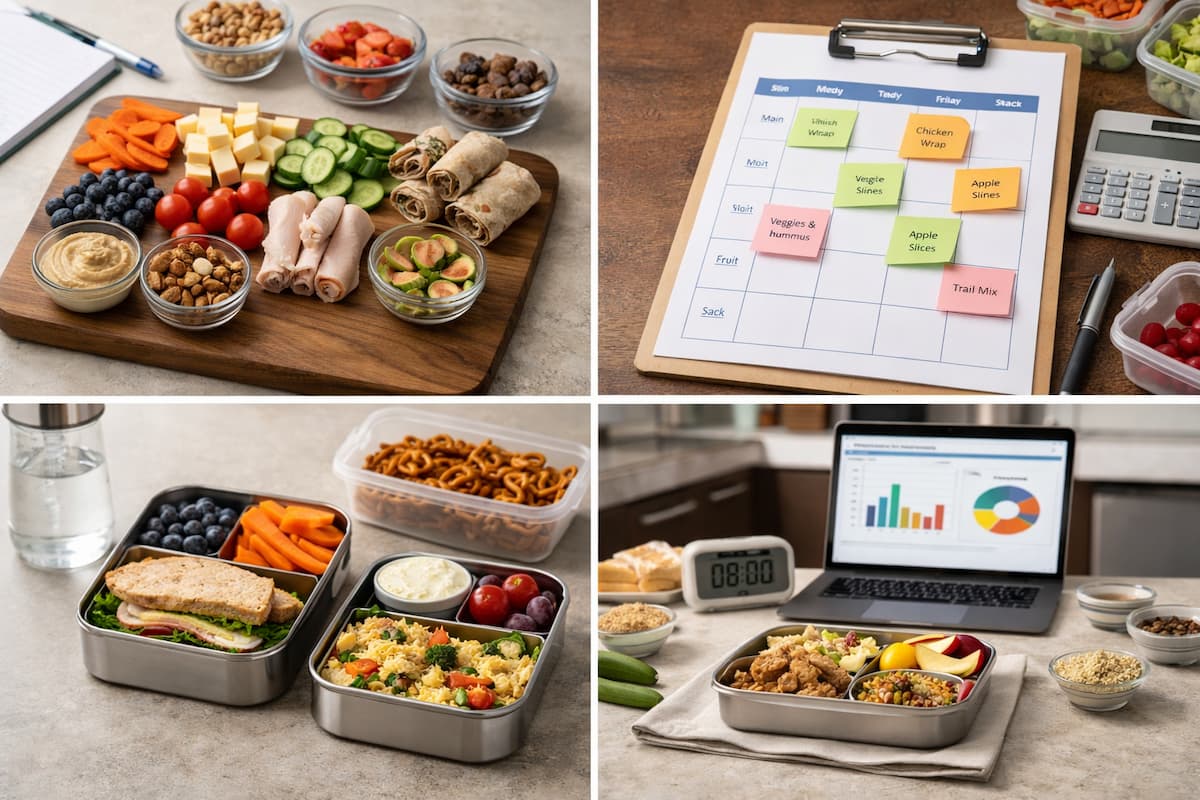
Packing lunchboxes can sometimes feel repetitive. Every day, parents and individuals struggle with creating meals that are not only healthy but also appealing and enjoyable. Boring or monotonous lunches often lead to wasted food, skipped meals, or unhealthy snacking. However, you can easily make lunchboxes both exciting and nutritious. With a stepwise approach, you can create meals that are balanced, visually appealing, and satisfying for everyone.
This guide provides practical steps, creative tips, and nutritional insights to help you craft lunchboxes that are fun, healthy, and enjoyable every day.
Step 1: Plan Your Week Ahead
The first step in preparing exciting and nutritious lunchboxes is planning:
- Create a Weekly Menu: Decide on meals for each day to prevent last-minute decisions.
- Balance Food Groups: Include a mix of proteins, carbohydrates, healthy fats, fruits, and vegetables.
- Engage Your Kids or Family: Seek their preferences to enhance the enjoyment of meals.
- Check Ingredients: Make a shopping list to ensure you have all items available.
Planning saves time, reduces stress, and ensures variety throughout the week.
Step 2: Focus on Nutritional Balance
A nutritious lunchbox includes components that support energy, growth, and overall health:
- Proteins: Eggs, chicken, tofu, legumes, cheese, or yogurt.
- Carbohydrates: Whole grains like brown rice, whole wheat bread, or quinoa.
- Healthy Fats: Nuts, seeds, avocado, or olive oil.
- Fruits and Vegetables: Aim for colorful produce to provide vitamins, minerals, and fiber.
Ensure each lunch has a mix of these components to maintain energy levels and satiety.
Step 3: Make Meals Visually Appealing
Presentation plays a key role in making meals exciting:
- Use Colorful Ingredients: Include various fruits and vegetables. Bright colors attract attention.
- Create Shapes and Themes: Cut sandwiches into stars, hearts, or fun shapes using cookie cutters.
- Use Bento-Style Packing: Separate compartments keep items organized and appealing.
- Add Garnishes: Fresh herbs, small fruit slices, or cherry tomatoes make meals look fresh and appetizing.
A visually attractive lunch encourages eating and makes meals more enjoyable, especially for children.
Step 4: Include Fun and Healthy Snacks
Snacks keep energy levels steady and add excitement to lunchboxes:
- Fruit-Based Snacks: Apple slices, grapes, berries, or fruit kebabs.
- Vegetable Sticks: Carrots, cucumbers, or bell peppers with a small dip like hummus.
- Homemade Treats: Energy balls, mini muffins made with whole grains, or yogurt parfaits.
- Avoid Processed Snacks: Limit chips, sugary treats, or packaged snacks to maintain nutrition.
Including fun snacks ensures variety and keeps the lunchbox enjoyable.
Step 5: Prep Ingredients in Advance
Efficient meal prep saves time and ensures you always have nutritious options:
- Batch Cooking: Cook grains, proteins, or roasted vegetables ahead of time.
- Pre-Cut Produce: Wash and slice fruits and vegetables to speed up assembly.
- Portion Ingredients: Use small containers to portion snacks, dips, or toppings.
- Store Properly: Refrigerate or freeze ingredients to maintain freshness.
Prepping ingredients reduces stress during busy mornings and helps maintain a consistent lunchbox routine.
Step 6: Use Creative Lunchbox Themes
Themed lunches make meals exciting and engaging:
- Rainbow Lunches: Include foods of different colors to make the meal visually stimulating.
- International Cuisine: Introduce flavors from around the world, such as mini tacos, sushi rolls, or pasta salads.
- Character-Based Themes: For kids, arrange sandwiches or fruits in fun shapes resembling animals or favorite characters.
- Seasonal Themes: Use seasonal produce to create themed meals, like autumn-inspired or summer picnic lunches.
Themes make lunchboxes fun and encourage children or adults to try new foods.
Step 7: Incorporate Variety in Proteins and Carbs
Variety prevents boredom and ensures a broad intake of nutrients:
- Alternate Proteins: Rotate between eggs, beans, chicken, fish, or tofu.
- Change Carbohydrate Sources: Use brown rice, whole wheat pasta, quinoa, or whole-grain wraps.
- Include Legumes: Lentils, chickpeas, and beans are versatile, nutritious, and budget-friendly.
- Mix Textures: Combine crunchy, soft, and chewy foods to enhance the eating experience.
Variety ensures that lunchboxes are intriguing, filling, and nutritionally balanced.
Step 8: Pack Smart with Containers and Utensils
Proper packing keeps meals fresh and easy to eat:
- Compartmentalized Containers: Keep ingredients separate to prevent sogginess.
- Reusable Snack Bags: Eco-friendly and practical for fruits, nuts, or small snacks.
- Thermos or Insulated Containers: Maintain temperature for soups, warm meals, or drinks.
- Include Utensils: Pack small spoons, forks, or napkins for convenience.
Smart packing makes lunchboxes portable, organized, and mess-free.
Step 9: Add Flavor Without Extra Salt or Sugar
Enhance taste naturally to make meals enjoyable:
- Use Herbs and Spices: Basil, oregano, cumin, or cinnamon can add flavor without extra calories.
- Include Healthy Dips: Hummus, yogurt-based dips, or guacamole make vegetables more appealing.
- Try Citrus or Vinegar: Lemon juice or mild vinegars brighten flavors naturally.
- Avoid Processed Sauces: Commercial sauces often contain excessive sugar, salt, or preservatives.
Flavors enhance enjoyment while maintaining the nutritional quality of the lunchbox.
Step 10: Involve Children or Family Members
Engaging children or family members increases the likelihood of consuming meals:
- Let Kids Choose Ingredients: Allow them to pick fruits, veggies, or snacks they enjoy.
- Teach Portioning and Packing: Involving them in assembly develops life skills and interest in healthy eating.
- Encourage Creativity: Let them design the lunch visually with shapes or themes.
- Praise Efforts: Positive reinforcement increases motivation and appreciation for nutritious meals.
Participation makes lunchboxes exciting and encourages healthy habits from a young age.
Step 11: Rotate Recipes Regularly
Repetition can lead to boredom, so keep meals dynamic:
- Weekly Recipe Rotation: Introduce new meals or variations each week.
- Experiment with Ingredients: Add new vegetables, fruits, grains, or protein sources.
- Use Leftovers Creatively: Transform dinner leftovers into new lunchbox items like wraps, sandwiches, or salads.
- Track Favorites: Note which combinations are popular for refining future lunches.
Rotating recipes ensures meals remain appealing, exciting, and nutritious.
Step 12: Maintain Hygiene and Food Safety
A nutritious lunchbox is only effective if it’s safe to eat:
- Wash Produce Thoroughly: Remove dirt, pesticides, and bacteria.
- Store Properly: Refrigerate perishable items and avoid leaving food at room temperature for long hours.
- Separate Raw and Cooked Foods: Prevent cross-contamination to maintain safety.
- Check Expiration Dates: Avoid using expired products, especially dairy, meats, and packaged snacks.
Food safety ensures the health benefits of your lunchbox remain intact.
Step 13: Make Hydration a Part of Lunch
Hydration is often overlooked but essential:
- Include Water Bottles: Encourage plain water as the primary drink.
- Infused Water: Add slices of fruit or cucumber for a refreshing taste.
- Avoid Sugary Drinks: Limit sodas or sweetened beverages that add empty calories.
- Pack Portion-Controlled Drinks: If juice is included, serve in small quantities to maintain nutrition balance.
Hydration supports overall health and complements a nutritious lunch.
Step 14: Use Tools and Resources for Inspiration
A little inspiration can make lunchbox planning easier:
- Recipe Blogs and Websites: Explore healthy and creative lunchbox ideas.
- Social Media: Platforms like Pinterest and Instagram offer visual inspiration.
- Apps: Nutrition apps can suggest balanced meals and portion sizes.
- Cookbooks: Invest in child-friendly or quick meal cookbooks for variety.
Leveraging resources saves time and encourages creativity.
Step 15: Review and Adjust
Finally, monitor how lunchboxes are received and adjust accordingly:
- Observe Eating Patterns: Take note of what’s eaten and what’s left uneaten.
- Solicit Feedback: Ask children or family members what they liked or disliked.
- Adjust Portions: Modify portion sizes based on appetite and preferences.
- Refine Choices: Swap less popular items with new options to maintain excitement.
Continuous improvement ensures lunchboxes remain appealing, nutritious, and satisfying.
Conclusion
Creating lunchboxes that are both exciting and nutritious is achievable with a stepwise approach. By planning ahead, focusing on nutritional balance, using creative presentation, rotating recipes, and involving family members, you can make meals fun and enjoyable. Attention to hygiene, flavor enhancement, hydration, and proper packing ensures that meals are safe, healthy, and convenient.
With these practical steps, lunchboxes can become a source of joy rather than a daily challenge. They provide energy, support healthy habits, and encourage adventurous eating, making every mealtime an opportunity for fun and nourishment.
FAQs
1. How can I make lunchboxes exciting without adding junk food?
Focus on colorful fruits and vegetables, fun shapes, themed meals, and flavorful dips while avoiding processed snacks.
2. How do I balance nutrition in a lunchbox?
Include proteins, whole grains, healthy fats, fruits, and vegetables in every meal to ensure a balanced diet.
3. Can I prepare lunchboxes in advance?
Yes. Batch cooking grains, proteins, and chopped vegetables in advance saves time and simplifies assembly.
4. What are good snack ideas for lunchboxes?
Healthy snacks include fruit slices, vegetable sticks with dips, yogurt parfaits, or homemade energy balls.
5. How do I keep lunchbox items fresh?
Use insulated containers, pack perishables with ice packs, and separate wet and dry items to maintain freshness.