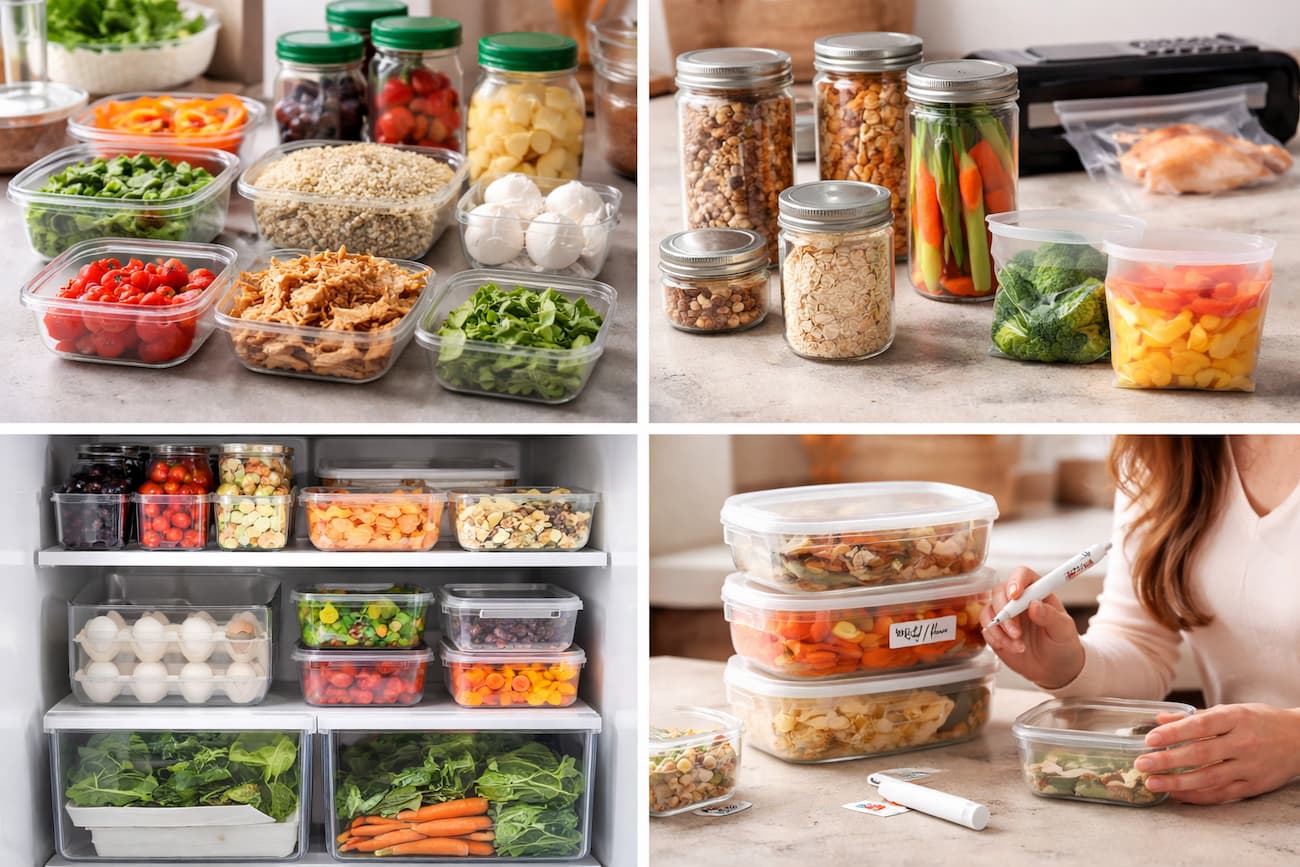
Meal prepping is a fantastic way to save time, reduce stress, and maintain a healthy lifestyle. However, the benefits of meal prepping can quickly disappear if your ingredients spoil or lose their freshness before you can use them. Proper storage techniques are essential for keeping prepped ingredients crisp, flavorful, and safe to eat. By following a few simple methods and tips, you can extend the life of your fruits, vegetables, proteins, and other ingredients, ensuring your meals stay delicious all week long.
Understand the Importance of Proper Storage
Proper storage not only helps preserve the freshness of your ingredients but also prevents food waste and keeps you healthy. Many common mistakes, like storing leafy greens in a humid environment or leaving herbs out uncovered, can cause ingredients to wilt, dry out, or spoil quickly.
Key Benefits of Proper Storage
- Longer Shelf Life: Well-stored ingredients last longer, reducing the frequency of grocery shopping.
- Better Taste and Texture: Proper storage maintains flavor, crunch, and juiciness.
- Safety: Prevents bacteria growth and spoilage, reducing the risk of foodborne illness.
- Time Savings: Prepped ingredients that stay fresh make meal assembly quicker.
Understanding why storage matters helps motivate careful organization and technique when handling prepped foods.
Store Leafy Greens Correctly
Leafy greens like spinach, kale, and lettuce are among the first ingredients to lose freshness if not stored properly. The right method can keep them crisp and vibrant for days.
Steps to Store Leafy Greens
- Wash and Dry: Rinse greens under cold water and use a salad spinner or clean kitchen towel to remove excess moisture.
- Wrap in Paper Towels: Paper towels absorb extra moisture, preventing sogginess and wilting.
- Store in Airtight Containers or Bags: Place wrapped greens in a container or resealable bag.
- Refrigerate in Crisper Drawer: The crisper drawer provides the ideal humidity for leafy greens.
Tips for Long-Term Freshness
- Avoid overpacking containers; greens need airflow.
- Replace damp paper towels every couple of days.
- For kale or sturdier greens, leave leaves whole until ready to use to retain nutrients.
With this approach, leafy greens can stay fresh for up to a week or more.
Keep Vegetables Crisp and Flavorful
Root vegetables and other prepped veggies, like carrots, celery, and bell peppers, require slightly different storage techniques compared to leafy greens.
Storing Tips for Vegetables
- Carrots and Celery: Trim tops, slice into sticks if desired, and store in water in a sealed container to maintain crunch. Change water every 2–3 days.
- Bell Peppers: Slice or dice, place in an airtight container, and refrigerate. Avoid leaving them in their original plastic bag, as it traps moisture.
- Cucumbers and Zucchini: Store whole or pre-sliced in airtight containers, but avoid excess moisture, which can cause mold.
General Guidelines
- Keep vegetables in the fridge’s vegetable drawer to regulate humidity.
- Use separate containers for wet and dry vegetables to prevent cross-contamination.
- For longer storage, lightly blanch certain vegetables like broccoli or green beans before refrigerating or freezing.
Proper vegetable storage keeps your prepped ingredients crunchy and ready to use in salads, stir-fries, or snacks.
Store Fruits Properly to Maintain Freshness
Fruits require attention to ripeness and storage conditions to prevent premature spoilage.
Tips for Common Fruits
- Berries (strawberries, blueberries, raspberries): Rinse only before eating, not before storage. Store in breathable containers lined with paper towels.
- Apples and Pears: Keep in the refrigerator to slow ripening, ideally in the crisper drawer.
- Citrus Fruits: Can be stored at room temperature for up to a week or refrigerated for a longer shelf life.
- Bananas: Store at room temperature; separate from other fruits if you want to slow ripening.
Advanced Tips
- For cut fruit, store in airtight containers with a squeeze of lemon juice to prevent browning.
- Keep fruits separate from vegetables that produce ethylene gas, like tomatoes and avocados, to avoid premature ripening.
These strategies keep your fruit sweet, juicy, and ready to enjoy.
Keep Proteins Safe and Ready
Proteins like chicken, beef, tofu, and seafood are essential for meal prep, but they are highly perishable and must be handled carefully.
Refrigeration Guidelines
- Raw Meat and Seafood: Store in airtight containers or tightly wrapped to prevent cross-contamination. Keep on the bottom shelf of the fridge.
- Cooked Proteins: Cool to room temperature before refrigerating. Store in shallow, airtight containers to speed cooling and maintain quality.
- Tofu: Submerge in fresh water in a sealed container and change water daily for optimal freshness.
Freezing Proteins
- Freeze raw meats in portioned bags to make defrosting easier.
- Label and date each package to keep track of freshness.
- Cooked proteins can also be frozen in small portions to maintain flavor and texture.
Handling proteins correctly ensures they stay safe to eat while maintaining their flavor and texture.
Store Herbs and Aromatics Properly
Fresh herbs and aromatics like garlic, ginger, cilantro, and parsley add flavor to your meals. Improper storage can quickly make them wilt or dry out.
Herb Storage Tips
- Leafy Herbs (cilantro, parsley, and basil): Trim stems, place in a glass of water, and cover loosely with a plastic bag in the fridge. Replace water every two days. Basil is best stored at room temperature.
- Difficult Herbs (rosemary, thyme, and sage): Wrap in damp paper towels and store in airtight containers in the fridge.
- Garlic and Ginger: Keep in a cool, dark, dry place. Avoid refrigeration, which can cause sprouting or mold.
Proper herb storage keeps your meals flavorful and reduces waste.
Use Containers That Extend Freshness
The type of container you use significantly affects ingredient longevity. Choosing the right storage solution can make meal prep easier and more efficient.
Best Container Practices
- Airtight Containers: Prevent moisture loss and reduce exposure to air.
- Glass or BPA-Free Plastic: Glass is durable and doesn’t absorb odors; plastic is lightweight and convenient.
- Divided Containers: Keep different ingredients separate to maintain textures and flavors.
- Stackable Storage: Saves space and keeps the fridge organized.
By investing in quality containers and organizing them efficiently, you can make meal prep less stressful and ingredients last longer.
Label and Organize Your Ingredients
Labeling and organizing prepped ingredients helps you keep track of freshness and reduces waste.
Labeling Tips
- Use masking tape or stickers: write the ingredient and prep date.
- FIFO Method (First In, First Out): Use older ingredients first to reduce spoilage.
- Group Similar Ingredients: Store leafy greens together, proteins together, and chopped vegetables together.
Organized storage saves time, minimizes spoilage, and makes cooking faster.
Freezing Ingredients for Longer Shelf Life
Some ingredients last longer when frozen. Freezing is especially useful for proteins, bread, fruits, and even certain vegetables.
Freezing Tips
- Blanch Vegetables: Quickly boiling vegetables before freezing preserves color, flavor, and nutrients.
- Portion Control: Freeze in meal-sized portions to avoid thawing too much at once.
- Use Freezer-Safe Bags or Containers: Remove as much air as possible to prevent freezer burn.
- Label Clearly: Include the date and contents to track freshness.
Freezing can extend the life of ingredients for weeks or months, making meal prep more flexible.
Thawing and Reheating Prepped Ingredients
How you thaw and reheat prepped ingredients affects both safety and taste.
Thawing Tips
- Refrigerator Thawing: The safest method for proteins; it allows even thawing overnight.
- Cold Water Thawing: Faster method for sealed packages; change water every 30 minutes.
- Microwave Thawing: Quick but can partially cook ingredients, so monitor closely.
Reheating Tips
- Use stovetop, oven, or microwave depending on the ingredient.
- Add a splash of water or oil to restore texture for vegetables or rice.
- Avoid repeated reheating, which can compromise quality and safety.
Proper thawing and reheating maintain the freshness and flavor of your prepped ingredients.
Tips to Maximize Ingredient Longevity
Small habits and techniques can make a big difference in keeping prepped ingredients fresh.
Key Tips
- Keep Your Fridge Clean and Organized: This reduces cross-contamination and spoilage.
- Monitor Humidity: Use crisper drawers for fruits and vegetables to control moisture.
- Avoid Washing Until Ready to Use: Excess moisture speeds spoilage for certain ingredients like berries.
- Use Natural Preservatives: Lemon juice or vinegar can slow browning for cut fruits and vegetables.
Implementing these simple tips ensures your ingredients last longer and remain flavorful.
Conclusion
Properly storing prepped ingredients is essential for maintaining freshness, flavor, and safety. From leafy greens and root vegetables to proteins, fruits, and herbs, each type of ingredient requires slightly different techniques to extend its shelf life. Using airtight containers, labeling, organizing, freezing when necessary, and handling thawing and reheating properly ensures your meal prep efforts pay off. By following these strategies, you can enjoy convenient, healthy meals with minimal food waste, making your cooking routine easier and more efficient.
With a little planning and attention to storage, you can keep your prepped ingredients fresh for days, save money, and enjoy tasty, ready-to-use components for all your meals.
FAQs
1. How long can prepped vegetables stay fresh in the fridge?
Most prepped vegetables last 3–7 days if stored properly in airtight containers with paper towels to absorb moisture. Harder vegetables may last longer.
2. Can prepped fruits be frozen?
Yes, fruits like berries, pineapple, and mango can be frozen in portioned bags. Avoid freezing delicate fruits like bananas unless mashed or pureed.
3. How do I prevent herbs from wilting?
Store leafy herbs in a glass of water with a loose plastic cover or wrap durable herbs in damp paper towels inside airtight containers. Basil is best stored at room temperature.
4. Is it safe to reheat prepped ingredients multiple times?
It’s safer to reheat ingredients only once. Repeated heating increases the risk of bacterial growth and decreases flavor and texture quality.
5. Should I wash prepped ingredients before storing?
Only wash ingredients that benefit from pre-washing, like leafy greens. Many vegetables and fruits should be washed just before use to prevent spoilage.