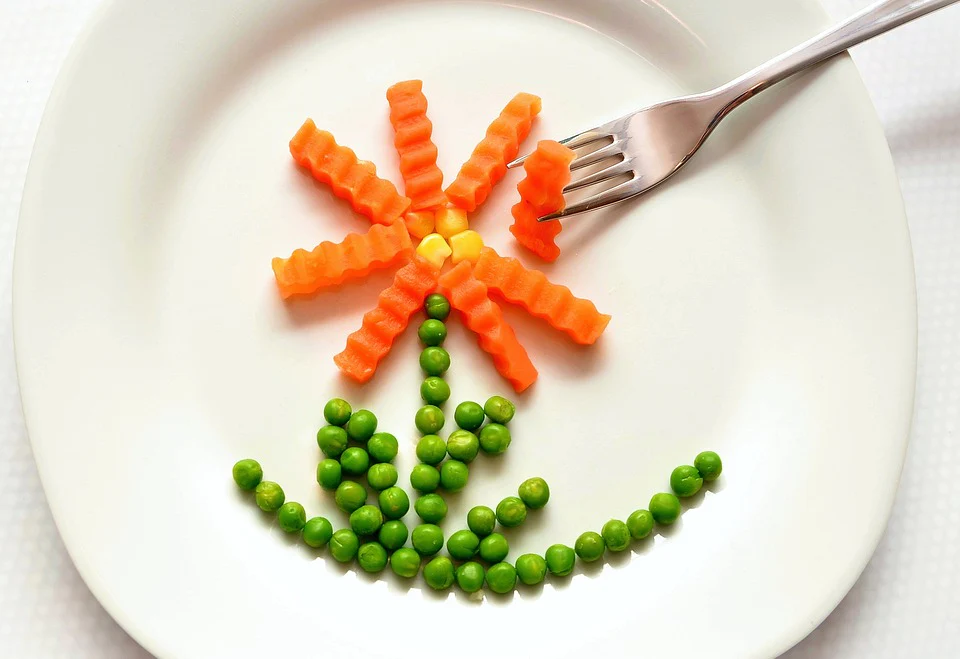
Getting kids to eat vegetables can be a daily struggle for many parents. Some children reject greens outright, while others will only eat vegetables in small quantities or hidden in other foods. The good news is that with a bit of creativity, you can make vegetables appealing, tasty, and even fun for kids. By turning vegetables into colorful, flavorful dishes, you can help your child get essential nutrients without stressful mealtime battles. This guide provides easy, beginner-friendly recipes and strategies to encourage vegetable consumption.
Make Veggie-Packed Smoothies
Smoothies are an excellent way to sneak vegetables into your child’s diet.
-
Use mild-flavored vegetables: Spinach and zucchini blend well without altering taste significantly.
-
Combine with fruits: Bananas, berries, mangoes, or apples add natural sweetness and mask the veggie flavor.
-
Add dairy or plant-based milk: Yogurt, milk, or almond milk improves texture and adds creaminess.
-
Optional boosters: A small scoop of nut butter or a teaspoon of chia seeds adds nutrients without affecting taste.
For example, a spinach-banana smoothie can be both sweet and creamy. Start with a small amount of spinach and gradually increase as your child gets used to the taste. Smoothies help beginners introduce vegetables in a non-intimidating, easy-to-drink form.
Hide Vegetables in Pasta Sauces
Pasta is a favorite among kids, and sauces are a great vehicle for vegetables.
-
Blend vegetables into sauces: Carrots, zucchini, bell peppers, or tomatoes can be pureed into a smooth sauce.
-
Use familiar flavors: Add garlic, onions, or herbs to make the sauce flavorful.
-
Mix with pasta or rice: Toss the blended sauce with noodles or rice to create a balanced meal.
-
Top with cheese: A sprinkle of mozzarella or parmesan can make the dish more appealing.
For instance, a tomato-carrot sauce served over spaghetti allows children to enjoy a familiar meal while consuming extra vegetables. This strategy is beginner-friendly because it doesn’t require children to see or taste individual vegetable pieces.
Try Veggie Muffins and Breads
Baked goods are another way to make vegetables appealing to kids.
-
Grate or puree vegetables: Carrots, zucchini, and pumpkin work well in muffins and quick breads.
-
Combine with sweet flavors: Cinnamon, nutmeg, or a touch of honey balances vegetable taste.
-
Mini portions: Make muffins or bite-sized bread for easy snacking.
-
Mix with familiar ingredients: Chocolate chips or nuts make the muffins even more enticing.
For example, zucchini chocolate chip muffins disguise the veggie in a sweet, soft treat. These recipes are beginner-friendly because they combine vegetables with familiar favorites, reducing resistance.
Make Veggie-Infused Pancakes or Waffles
Breakfast is a great opportunity to introduce vegetables subtly.
-
Add pureed vegetables to batter: Sweet potato, pumpkin, or spinach blend well.
-
Flavor naturally: Cinnamon, vanilla, or a little maple syrup enhances taste.
-
Serve with toppings: Fruit, yogurt, or nut butter can make them more appealing.
-
Adjust texture carefully: Avoid adding too much puree to prevent overly soft pancakes.
For example, spinach and banana pancakes offer hidden greens while tasting sweet and familiar. These dishes are practical for beginners because they transform a regular breakfast into a nutrient-packed meal without extra effort.
Prepare Fun Vegetable Shapes and Snacks
Presentation matters, especially for kids. Making vegetables visually appealing encourages them to try new foods.
-
Use cookie cutters: Cut cucumbers, carrots, or bell peppers into fun shapes.
-
Create colorful plates: Mix red, yellow, and green vegetables for a rainbow effect.
-
Pair with dips: Hummus, yogurt dip, or guacamole adds flavor and fun.
-
Make “veggie fries”: Oven-roasted carrot or zucchini sticks are crunchy and kid-friendly.
For example, carrot sticks cut into stars with a small yogurt dip can make snack time enjoyable and interactive. This beginner-friendly approach works because children often eat with their eyes first.
Incorporate Vegetables into Meat or Protein Dishes
Combining vegetables with proteins can make them more acceptable to picky eaters.
-
Meatballs: Mix finely grated carrots or zucchini into chicken or beef meatballs.
-
Burgers: Add shredded vegetables to turkey or beef patties.
-
Egg dishes: Omelets and frittatas allow for diced vegetables mixed with eggs.
-
Mini pies or quiches: Vegetables blended with cheese and eggs in small portions can be appealing.
For example, chicken meatballs with finely grated zucchini taste familiar while adding extra nutrients. These dishes are beginner-friendly because children focus on the familiar protein rather than noticing the vegetables.
Make Vegetable Soups Kid-Friendly
Soups can be comforting, warm, and a good way to introduce vegetables gradually.
-
Puree vegetables: Smooth soups remove visible chunks that children might reject.
-
Add familiar flavors: Cheese, herbs, or mild spices can make soup more enjoyable.
-
Serve in fun bowls: Kid-sized bowls or cups encourage eating.
-
Involve children: Let kids pick ingredients or help stir, increasing interest in eating.
For instance, a creamy carrot and potato soup can be served with a grilled cheese sandwich, turning a simple meal into a balanced and fun dish. Beginner-friendly soups are forgiving because texture and seasoning can be adjusted to taste.
Try Creative Pizza Toppings
Pizza is often a favorite for kids, and it can be a great way to sneak in vegetables.
-
Use vegetable sauces: Spread pureed vegetables as a base instead of tomato sauce alone.
-
Add thinly sliced vegetables: Peppers, mushrooms, or spinach can go under the cheese for subtle flavor.
-
Make personal-sized pizzas: Let children assemble their own pizza with toppings of choice.
-
Top with cheese: Cheese helps mask the taste of vegetables for picky eaters.
For example, a personal pizza with hidden pureed carrot and spinach sauce encourages kids to eat vegetables without realizing it. This approach is beginner-friendly because it turns vegetables into a familiar, fun meal.
Use Sweet and Savory Blends
Combining vegetables with naturally sweet or familiar foods helps reduce resistance.
-
Add to pasta or rice dishes: Mix roasted vegetables with butter, garlic, and mild cheese.
-
Blend into smoothies or puddings: Sweet vegetables like pumpkin or sweet potato blend well.
-
Create veggie chips: Roast thin slices of zucchini, sweet potato, or beetroot with a little olive oil and salt.
For example, sweet potato chips make a crunchy, flavorful snack that feels like a treat rather than a vegetable. These blends are beginner-friendly because they change perception about vegetables from “boring” to “tasty.”
Involve Kids in Cooking
Children are more likely to eat vegetables if they help prepare them.
-
Let them wash or peel vegetables: Simple tasks increase engagement.
-
Allow them to assemble meals: Kids love building their own wraps, pizzas, or bowls.
-
Teach basic skills: Cutting soft vegetables with safe tools or mixing batter encourages interest.
-
Praise their efforts: Positive reinforcement encourages trying new vegetables.
For example, allowing children to sprinkle shredded carrots into their omelet makes them more excited to taste the final dish. Cooking involvement makes vegetables more approachable and fun.
Conclusion
Helping kids eat vegetables doesn’t have to be stressful or complicated. With strategies like smoothies, veggie-packed sauces, muffins, pancakes, fun shapes, hidden vegetables in protein dishes, soups, pizzas, and sweet-savory blends, vegetables can become a regular part of your child’s diet. Involving children in cooking and presenting vegetables creatively also encourages curiosity and reduces mealtime battles. By starting with small, easy recipes, beginners can gradually build healthy eating habits that last a lifetime, turning picky eaters into vegetable-friendly kids without added stress.
FAQs
1. How can I hide vegetables from picky eaters?
Puree vegetables into sauces, smoothies, muffins, or pancakes so they are not visible but still provide nutrients.
2. Which vegetables are easiest to introduce to kids?
Mild-tasting vegetables like carrots, zucchini, spinach, sweet potato, and peas are beginner-friendly and blend well into recipes.
3. Can I combine vegetables with sweet foods?
Yes. Sweet vegetables like pumpkin or sweet potato work well in muffins, pancakes, and smoothies.
4. How do I make vegetables fun for kids?
Use cookie cutters, colorful plating, dips, or personal-sized meals to make vegetables visually appealing and interactive.
5. Is it okay to gradually increase vegetable portions?
Absolutely. Start with small amounts and slowly increase as children become accustomed to the taste, making it easier for beginners to introduce new vegetables without resistance.