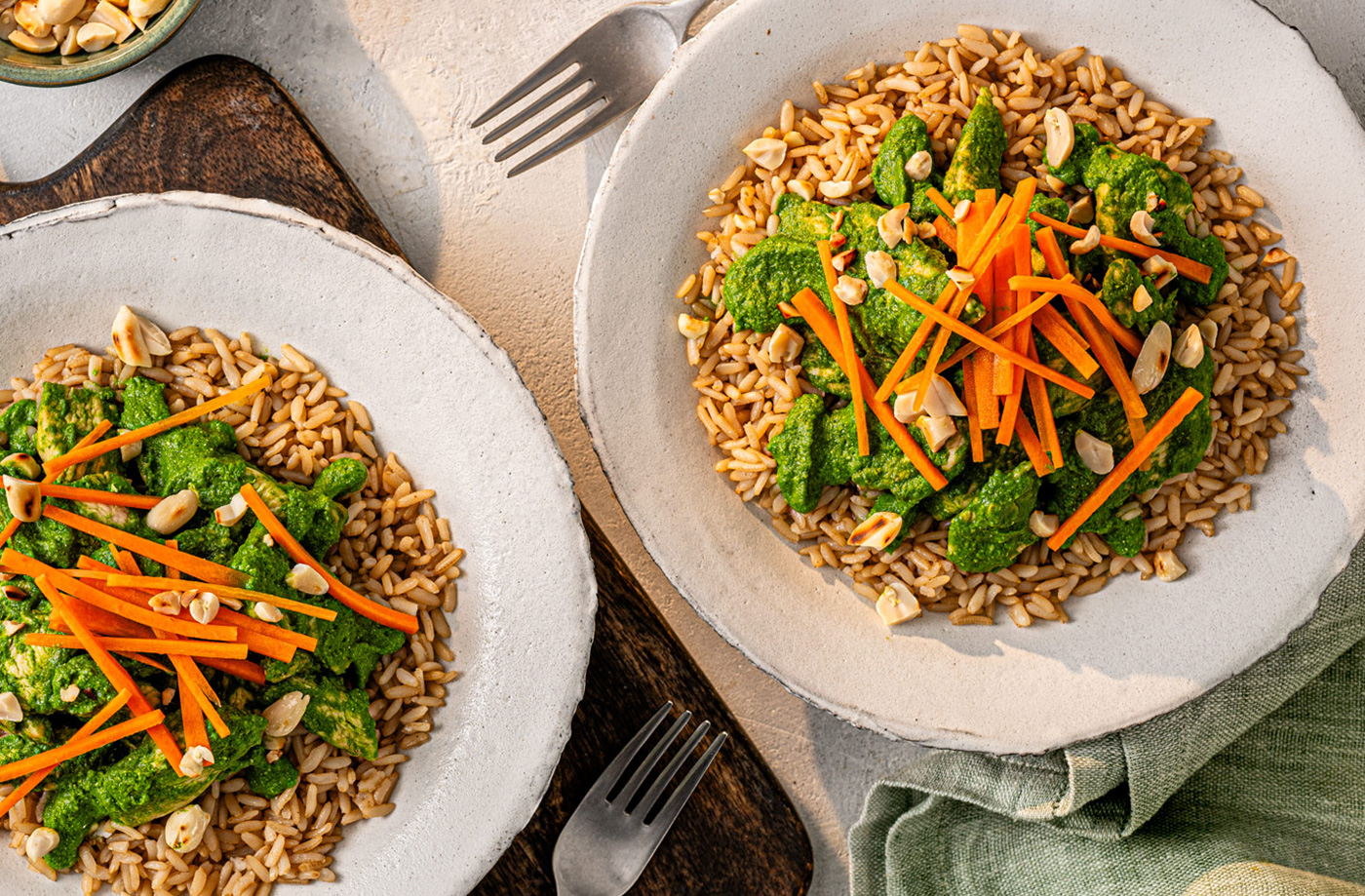
Feeding children can sometimes feel like a daily challenge. Parents and caregivers often want meals that are not only nutritious but also safe, simple to prepare, and appealing to young taste buds. Kids can be picky eaters, and their smaller bodies require balanced nutrition to support growth, energy, and development. That’s why finding simple meals that are safe and kid-friendly is so important for families.
When planning meals for children, safety means more than just avoiding harmful foods. It includes choosing ingredients that are easy to chew, properly cooked, and free from choking hazards. At the same time, meals should provide important nutrients such as protein, vitamins, healthy fats, and carbohydrates.
The good news is that kid-friendly meals don’t have to be complicated or time-consuming. Many simple dishes made with basic ingredients can satisfy children while supporting their health. In this guide, we’ll explore practical ideas, easy recipes, and helpful tips to create meals that kids enjoy and parents feel confident serving.
Understanding What Makes a Meal Kid-Friendly
Before exploring specific meal ideas, it helps to understand what children typically prefer in their food. Kids often enjoy meals that are mild in flavor, colorful, and easy to eat.
A kid-friendly meal usually includes:
-
Soft or easy-to-chew textures
-
Familiar flavors
-
Balanced nutrients
-
Small, manageable portions
-
Minimal spices or strong seasonings
Young children especially benefit from foods that are cut into smaller pieces and cooked thoroughly. This helps reduce choking risks and makes eating easier.
Another important factor is presentation. Children are often more interested in food that looks fun or colorful. Simple additions like sliced fruits, shaped sandwiches, or colorful vegetables can make meals more appealing.
Basic Nutrition Needs for Growing Children
Children need a balanced diet that supports their growth, learning, and daily activities. A healthy meal typically includes several key nutrients.
Important components include:
-
Protein for muscle growth and energy
-
Carbohydrates for daily fuel
-
Healthy fats for brain development
-
Vitamins and minerals for immunity and overall health
-
Fiber for healthy digestion
Including a variety of foods helps ensure children receive these nutrients.
Simple ingredients like eggs, vegetables, whole grains, dairy products, fruits, and lean meats provide excellent nutrition for growing bodies.
Scrambled Eggs With Toast
Scrambled eggs are one of the easiest and safest meals for children. They are soft, easy to chew, and packed with protein.
To prepare this meal:
-
Crack two eggs into a bowl.
-
Add a small amount of milk.
-
Whisk gently.
-
Cook in a pan with a small amount of butter.
Serve the eggs with whole-grain toast cut into small pieces.
This meal provides protein, healthy fats, and carbohydrates, making it a balanced option for breakfast or a light lunch.
Many children enjoy eggs because of their mild flavor and soft texture.
Simple Chicken and Rice Bowl
Chicken and rice is a classic kid-friendly meal that is both safe and nutritious.
To prepare a simple version:
-
Cook plain white or brown rice.
-
Grill or bake chicken breast until fully cooked.
-
Cut the chicken into small bite-sized pieces.
-
Add steamed vegetables such as carrots or peas.
Rice is easy to digest, while chicken provides lean protein that supports growth and energy.
This meal is also easy to customize based on a child’s preferences.
Pasta With Tomato Sauce
Pasta is one of the most popular foods among children. Its soft texture and mild flavor make it an excellent kid-friendly option.
A simple pasta meal can be made by:
-
Cooking pasta according to package instructions
-
Heating a mild tomato sauce
-
Mixing the sauce with the pasta
For extra nutrition, you can add small vegetables such as:
-
Chopped spinach
-
Grated carrots
-
Small broccoli pieces
Pasta dishes are versatile and can easily be adjusted to suit different tastes.
Homemade Mini Sandwiches
Sandwiches are quick to prepare and perfect for lunch or snacks.
Kid-friendly sandwich ideas include:
-
Peanut butter and banana
-
Cheese and cucumber
-
Turkey and cheese
-
Cream cheese and sliced strawberries
Using whole-grain bread adds fiber and nutrients.
Cutting sandwiches into smaller shapes or triangles often makes them more appealing to children.
Mini sandwiches are also easier for small hands to hold and eat safely.
Baked Sweet Potato With Yogurt
Sweet potatoes are naturally sweet, soft when cooked, and packed with vitamins.
To prepare this simple meal:
-
Bake a sweet potato in the oven.
-
Cut it open once soft.
-
Add plain yogurt or a small amount of butter.
Sweet potatoes contain vitamin A, which supports eye health and immune function.
The natural sweetness often makes this meal appealing to children without needing added sugar.
Vegetable and Cheese Quesadillas
Quesadillas are simple, quick, and customizable.
To make a basic kid-friendly quesadilla:
-
Place shredded cheese on a tortilla.
-
Add finely chopped vegetables such as bell peppers or spinach.
-
Fold the tortilla in half.
-
Cook on a pan until the cheese melts.
Once cooked, cut the quesadilla into small triangles.
This meal provides calcium, protein, and vegetables in a format that many children enjoy.
Oatmeal With Fruit
Oatmeal is a warm, comforting meal that works well for breakfast or a snack.
To prepare oatmeal:
-
Cook oats with milk or water.
-
Add sliced fruits such as bananas or apples.
-
Stir gently until soft.
Oatmeal provides fiber and slow-releasing energy that helps children stay full longer.
Adding fruit introduces natural sweetness and additional vitamins.
Homemade Chicken Nuggets
Many children enjoy chicken nuggets, but homemade versions are often healthier and safer than processed ones.
To prepare simple baked nuggets:
-
Cut chicken breast into small pieces.
-
Coat lightly with breadcrumbs.
-
Bake in the oven until fully cooked.
Serve with a side of vegetables or mashed potatoes.
This approach allows parents to control ingredients while keeping the familiar taste children love.
Yogurt and Fruit Parfait
A yogurt parfait is a simple and nutritious option for breakfast or snacks.
To create one:
-
Layer yogurt in a bowl.
-
Add sliced fruits such as berries or bananas.
-
Sprinkle a small amount of granola.
This meal offers protein, calcium, and vitamins while remaining light and refreshing.
Kids often enjoy the layered presentation and variety of textures.
Rice and Vegetable Stir Fry
A mild stir fry can introduce children to vegetables in a fun way.
To make a simple version:
-
Cook rice.
-
Stir fry small pieces of vegetables such as carrots, peas, and corn.
-
Add cooked chicken or tofu for protein.
Keep the seasoning mild to suit children’s tastes.
This dish provides a balanced combination of carbohydrates, vegetables, and protein.
Safety Tips When Preparing Meals for Kids
Meal safety is essential when cooking for children.
Important tips include:
Cut food into small pieces
Small pieces reduce choking risk and make food easier to chew.
Cook meats thoroughly
Ensure meats reach safe internal temperatures before serving.
Avoid hard or sticky foods for younger kids
Foods like hard nuts or sticky candies may be difficult for young children to chew safely.
Wash fruits and vegetables carefully
Cleaning produce removes dirt and potential bacteria.
Following these precautions helps ensure meals remain safe and healthy.
Encourage Kids to Participate in Cooking
Children often become more interested in meals when they help prepare them.
Simple tasks kids can help with include:
-
Washing vegetables
-
Mixing ingredients
-
Arranging food on plates
-
Adding toppings
Involving children in the kitchen can encourage healthier eating habits and make meals more enjoyable.
It also teaches valuable life skills.
Keep Meals Balanced but Simple
Parents sometimes feel pressure to create elaborate meals, but simple meals can be just as nutritious.
A balanced plate often includes:
-
A protein source
-
A carbohydrate source
-
Fruits or vegetables
For example:
-
Chicken + rice + carrots
-
Eggs + toast + fruit
-
Pasta + vegetables + cheese
This simple approach ensures children receive essential nutrients without complicated recipes.
Make Mealtime Fun and Stress-Free
Children respond well to relaxed and positive mealtime environments.
Ways to make meals more enjoyable include:
-
Using colorful plates
-
Offering small portions
-
Encouraging kids to try new foods without pressure
-
Keeping mealtime conversations positive
When meals feel enjoyable rather than stressful, children are more likely to develop healthy eating habits.
Conclusion
Providing safe and kid-friendly meals doesn’t require complicated recipes or expensive ingredients. With a focus on simple, nutritious foods and thoughtful preparation, parents can create meals that children enjoy while supporting their growth and health.
Meals like scrambled eggs, pasta, rice bowls, oatmeal, quesadillas, and yogurt parfaits offer balanced nutrition while remaining easy to prepare. By choosing soft textures, mild flavors, and colorful ingredients, caregivers can make meals both safe and appealing for young eaters.
The most important thing is consistency. Offering balanced meals, encouraging healthy habits, and involving children in cooking can help create a positive relationship with food that lasts a lifetime.
FAQs
1. What foods are safest for young children to eat?
Soft foods such as scrambled eggs, pasta, oatmeal, yogurt, and cooked vegetables are generally safe and easy for children to chew.
2. How can I make meals more appealing to kids?
Using colorful ingredients, cutting foods into fun shapes, and serving small portions can make meals more interesting for children.
3. What nutrients are most important for growing kids?
Protein, carbohydrates, healthy fats, vitamins, and minerals are all important for supporting children’s growth and development.
4. How can I encourage picky eaters to try new foods?
Offer new foods alongside familiar favorites and encourage tasting without forcing children to finish everything.
5. Are homemade meals better than processed foods for kids?
Homemade meals often contain fewer additives and allow parents to control ingredients, making them a healthier choice for many families.