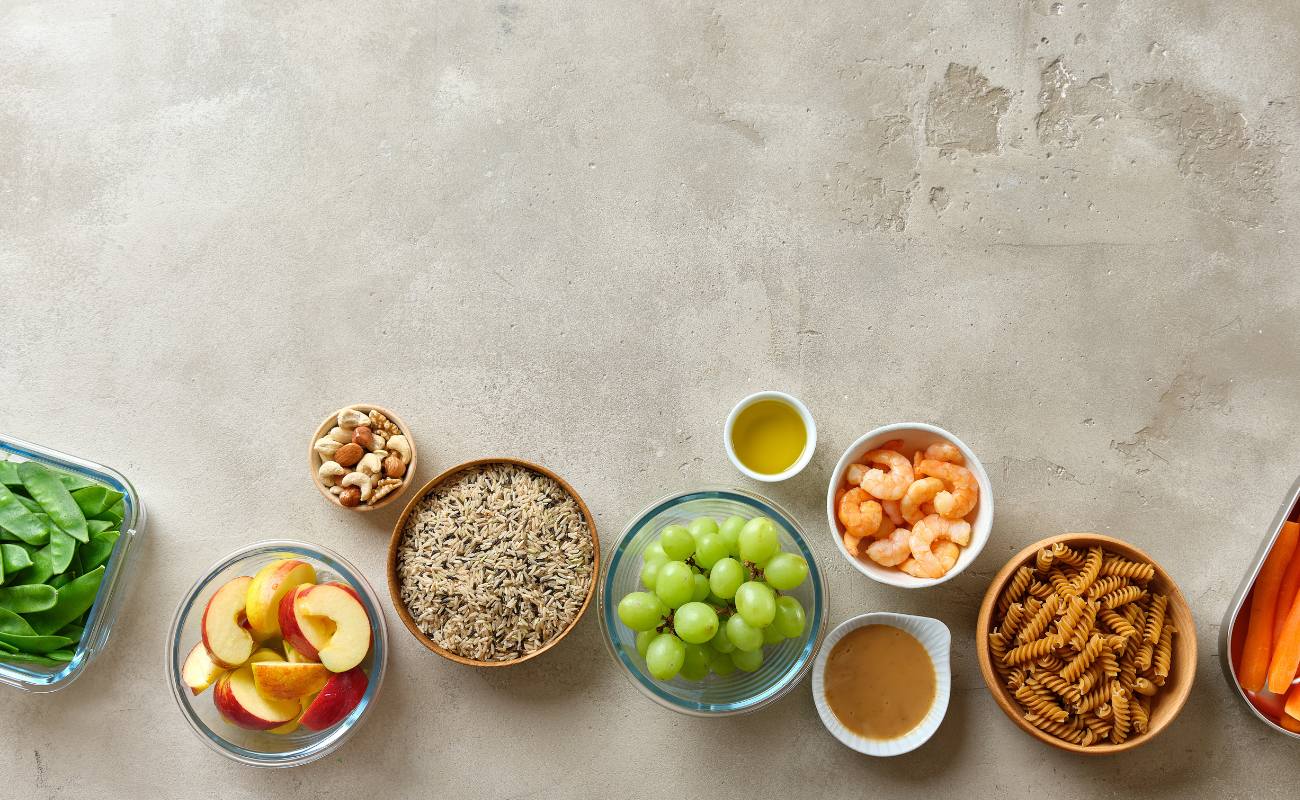
Meal prep can seem overwhelming, especially for beginners. The thought of planning meals, shopping, cooking, and storing food can make anyone anxious. However, with simple strategies and practical tips, meal prep can become a stress-free and even enjoyable routine. Reducing stress during meal prep not only saves time but also encourages healthier eating, minimizes food waste, and ensures you always have ready-to-eat meals on hand. This guide provides actionable advice for beginners to make meal prep easier, faster, and more organized.
Plan Ahead to Stay Organized
Planning is the foundation of stress-free meal prep. Knowing what you’ll cook and when reduces decision fatigue and wasted ingredients.
-
Create a weekly meal plan: Decide which meals you want to prepare for the week. Start simple with 3–4 meals, gradually expanding as you get comfortable.
-
Check your pantry: Inventory your fridge and pantry to use what you already have and avoid buying unnecessary items.
-
Make a shopping list: Organize it by sections of the store to save time and prevent repeated trips.
Tip: Start with planning for just a few days if weekly planning feels overwhelming. Even short-term planning reduces stress significantly.
Choose Simple Recipes
Complex recipes with many steps or ingredients can increase stress, especially for beginners.
-
Limit ingredients: Focus on meals with 3–5 core ingredients.
-
Use one-pot or sheet-pan meals: These methods reduce dishes and simplify cooking.
-
Batch-cook staples: Prepare grains, proteins, and vegetables in bulk to mix and match during the week.
Example: Roast chicken, cook quinoa, and steam vegetables for a simple base that can become multiple meals with small tweaks.
Prep Ingredients in Advance
Prepping ingredients before cooking saves time and reduces stress during busy meal prep sessions.
-
Wash and chop vegetables: Store them in airtight containers to grab as needed.
-
Measure spices and sauces: Pre-measuring ingredients keeps cooking smooth and organized.
-
Portion proteins: Divide meat, tofu, or beans into meal-sized portions to streamline cooking.
Tip: Consider prepping ingredients on a day when you have extra time, like the weekend, to make weekday cooking easier.
Use the Right Tools
Having the right kitchen tools can make meal prep faster and less stressful.
-
Sharp knives: Save time and make chopping safer.
-
Quality containers: Stackable, airtight containers keep food fresh and organized.
-
Kitchen gadgets: Slow cookers, instant pots, and food processors can speed up prep and reduce hands-on time.
Tip: Start with a few essential tools and gradually add more gadgets as needed. You don’t need a full kitchen arsenal to prep meals efficiently.
Batch Cook for Efficiency
Batch cooking reduces the need to cook every day and can dramatically lower meal prep stress.
-
Cook staples in bulk: Prepare rice, pasta, roasted vegetables, or proteins that can be used in multiple dishes.
-
Double recipes: Cook double portions and freeze extras for later.
-
Mix and match: Use batch-cooked ingredients to create different meals with minor changes, like sauces or seasonings.
Example: Roasted chicken can be served with rice and vegetables one day, tossed into a salad the next, and added to a wrap the following day.
Keep Meals Simple and Flexible
Overcomplicated meal plans often cause stress and burnout. Focus on simplicity and adaptability.
-
Repeat meals: It’s okay to eat the same meal a few times in a week.
-
Swap ingredients: If you’re missing an item, use a substitute rather than stressing.
-
Prioritize favorites: Include meals you enjoy preparing and eating.
Tip: Flexibility prevents frustration and keeps meal prep sustainable in the long term.
Store Food Safely and Effectively
Proper storage is essential to reduce stress and maintain food quality.
-
Label containers: Include contents and date prepared to track freshness.
-
Use airtight containers: Prevent moisture loss and odors from spreading.
-
Organize fridge and freezer: Keep prepped ingredients and meals visible to prevent forgetting them.
Tip: Store meals at eye level or in designated bins to make grabbing ready-to-eat food fast and easy.
Prep Snacks and Breakfasts Too
Meal prep doesn’t have to be limited to lunch and dinner. Preparing snacks and breakfast ahead of time reduces stress throughout the day.
-
Overnight oats: Mix oats, milk, and fruit in jars for an easy grab-and-go breakfast.
-
Cut vegetables and fruits: Store pre-cut items for quick snacks.
-
Protein bites or energy balls: Simple recipes using nuts, dates, and seeds provide a quick energy boost.
Tip: Prepping smaller items saves you from impulsive, less healthy choices when you’re hungry.
Include Time-Saving Ingredients
Smart ingredient choices reduce prep time and stress.
-
Frozen vegetables and fruits: Quick to use and often just as nutritious as fresh.
-
Pre-cooked proteins: Rotisserie chicken, canned beans, or cooked shrimp save cooking time.
-
Quick-cooking grains: Couscous, instant rice, or quinoa reduce hands-on cooking.
Tip: A mix of fresh and pre-prepared ingredients can create a balance of speed and nutrition.
Make Meal Prep Fun and Relaxing
Changing your mindset about meal prep can reduce stress.
-
Play music or podcasts: Keep your mind engaged while cooking.
-
Cook with family or friends: Turn meal prep into a social activity.
-
Focus on progress, not perfection: Meals don’t need to be perfect—functional and tasty is enough.
Tip: Celebrate small wins, like a week of prepped meals or successfully using leftovers creatively.
Avoid Perfectionism
Stress often comes from feeling like meals have to be perfect.
-
Accept simple meals: Sometimes sandwiches, wraps, or salads are perfectly acceptable.
-
Don’t overcomplicate: Stick to basic cooking techniques and ingredients.
-
Focus on nutrition: Balanced meals don’t require elaborate recipes.
Tip: Aim for functional, balanced meals rather than Instagram-worthy presentations every time.
Use Leftovers Strategically
Leftovers are a valuable asset in reducing meal prep stress.
-
Reinvent meals: Turn leftover roasted vegetables into soups or wraps.
-
Combine flavors: Mix cooked proteins with grains and sauces for quick bowls.
-
Freeze extras: Prevent food waste and provide ready-to-use meals for future busy days.
Tip: Keep a small container for leftover ingredients each week to create impromptu meals.
Plan for Quick Cleanup
Cleaning up efficiently reduces stress and makes meal prep more enjoyable.
-
Clean as you go: Wash knives, cutting boards, and bowls while waiting for food to cook.
-
Use parchment paper or foil: Baking sheets can be lined for easy cleanup.
-
Organize the sink: Keep dish soap and sponge handy for quick cleaning breaks.
Tip: Minimal cleanup strategies make meal prep less daunting and save time for other tasks.
Conclusion
Meal prep doesn’t need to be stressful or time-consuming. By planning ahead, keeping recipes simple, batch cooking, and using smart storage methods, beginners can reduce anxiety and enjoy a more organized cooking routine. Incorporating flexibility, time-saving ingredients, and creative use of leftovers ensures that meals are delicious without causing frustration. Remember, the goal is efficiency, nutrition, and convenience—not perfection. With these beginner-friendly strategies, meal prep can become a manageable, even enjoyable, part of your weekly routine.
FAQs
1. How often should I meal prep to reduce stress?
Start with 2–3 days of prep at a time. As you get comfortable, you can extend to weekly meal prep.
2. Can beginners really handle meal prep without feeling overwhelmed?
Yes. Start simple with a few meals, batch-cook staples, and gradually build confidence over time.
3. What are the easiest meals to prep for beginners?
Sheet-pan meals, one-pot dishes, grain bowls, and salads with pre-cooked proteins are excellent starting points.
4. How can I save time during meal prep?
Use pre-cut vegetables, pre-cooked proteins, and batch-cook staples like rice, grains, or roasted vegetables.
5. How do I keep prepped meals fresh throughout the week?
Store meals in airtight containers, label with dates, and keep them organized in the fridge or freezer. Freeze extra portions if needed.